
July 22, 2026 · By Jordan Hale
The Quiet Moments Before the City Wakes.
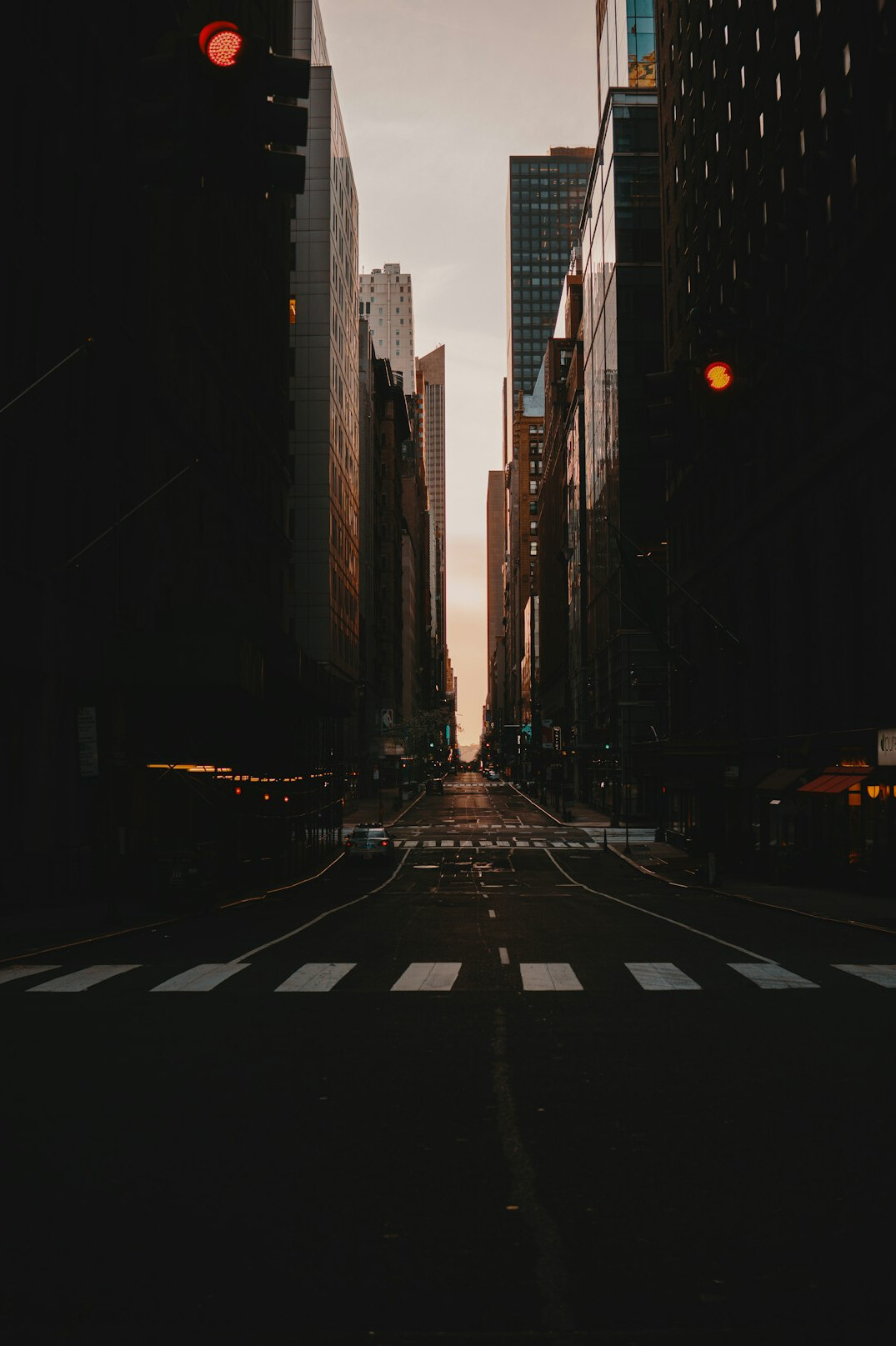
The city holds its breath in those hours before dawn breaks fully. Streetlights still cast their steady glow over empty sidewalks, and the only sounds are the distant hum of a delivery truck or the soft scrape of a broom on pavement. I often find myself wandering these streets with my camera, drawn to the way the light shifts from cool blue to warm gold, transforming familiar corners into something almost intimate.
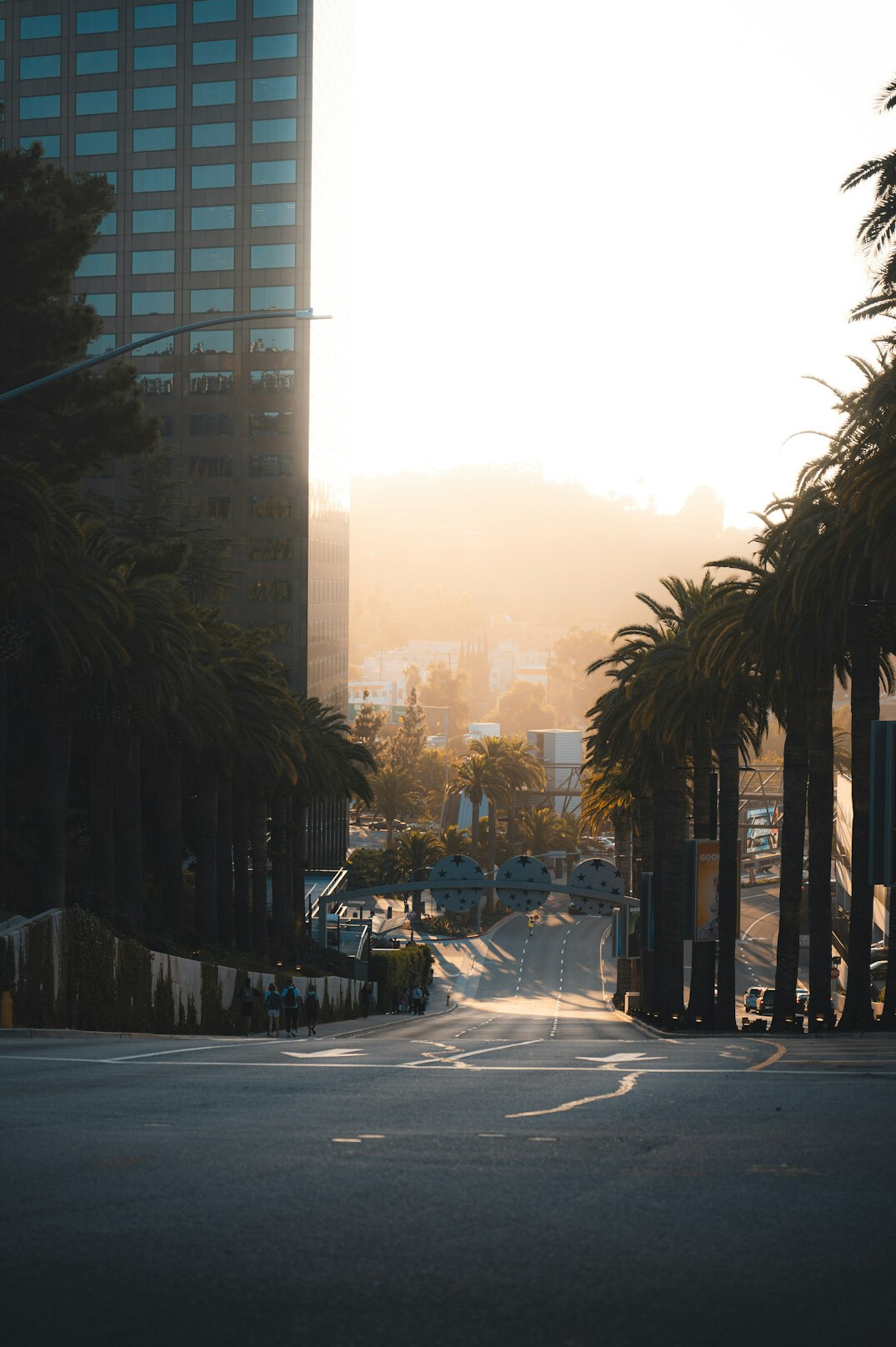
One morning last month, I stood near the old market square. A lone street cleaner moved methodically between the stalls, his cart leaving faint tracks in the dew. Nearby, a barista unlocked the door to a small cafe, the scent of fresh coffee already drifting out. These are the people who set the stage for everyone else, yet they rarely appear in the glossy postcards of city life.
The Rhythm of Early Arrivals
Delivery drivers pull up in vans that seem oversized for the narrow lanes. They unload crates of produce and newspapers with practiced efficiency, exchanging nods with the few pedestrians who pass by. A jogger in bright shoes cuts across the intersection, her breath visible in the cool air. I raised my camera to capture the way her silhouette stood out against the pale sky, the buildings behind her still dark and solid.
These scenes repeat with small variations each day. The same bus stop bench receives its first occupant around five thirty, a woman checking her phone while waiting for the early express. Across the street, a security guard finishes his night shift and heads toward the subway entrance, shoulders relaxed now that the building is no longer his responsibility.
Light and Shadow Play
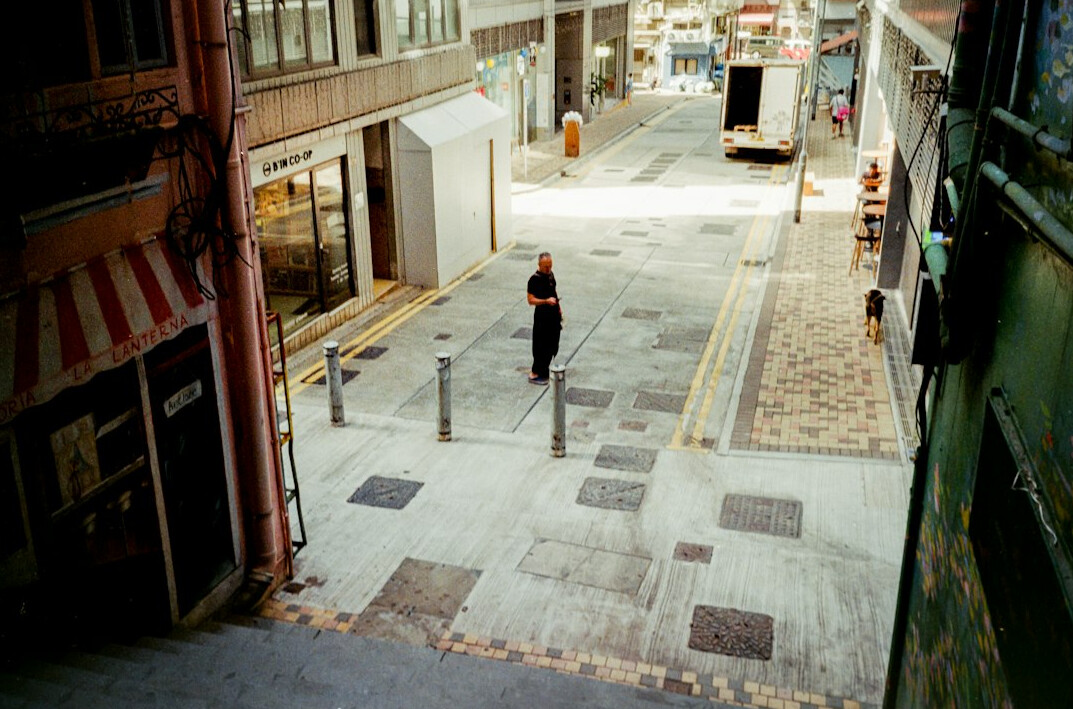
As the sun edges higher, shadows stretch long across the asphalt. I noticed how a row of bicycles leaned against a railing, their frames catching the first rays and turning ordinary metal into something almost sculptural. A few blocks away, construction workers gathered around a coffee cart, their hard hats stacked on the ground like abandoned bowls. The conversation was low and easy, the kind that happens only before the noise of the workday takes over.
Urban environments change in these quiet intervals. A park bench that will soon hold lunch crowds now hosts a single pigeon. The fountain in the square remains still, its water surface reflecting the sky like a mirror. I took several frames, trying to hold onto the sense that the whole place belonged to these early hours alone.
There's a certain honesty in the city when it's half asleep. You see the bones of the place before the crowds arrive and cover everything with motion and color.
People in Transition
Office workers begin to appear in small clusters, carrying briefcases or gym bags. One man paused at a newsstand, flipping through a paper before folding it under his arm. His expression was calm, as if he were still carrying the peace of the morning with him. I wondered how long that feeling would last once the trains filled and the sidewalks grew crowded.
Further along, a food vendor arranged fruit in neat rows under an awning. The colors popped against the gray buildings: deep reds of apples, bright oranges, clusters of bananas. It felt like a quiet promise that the day ahead would bring its own small pleasures, even amid the rush.
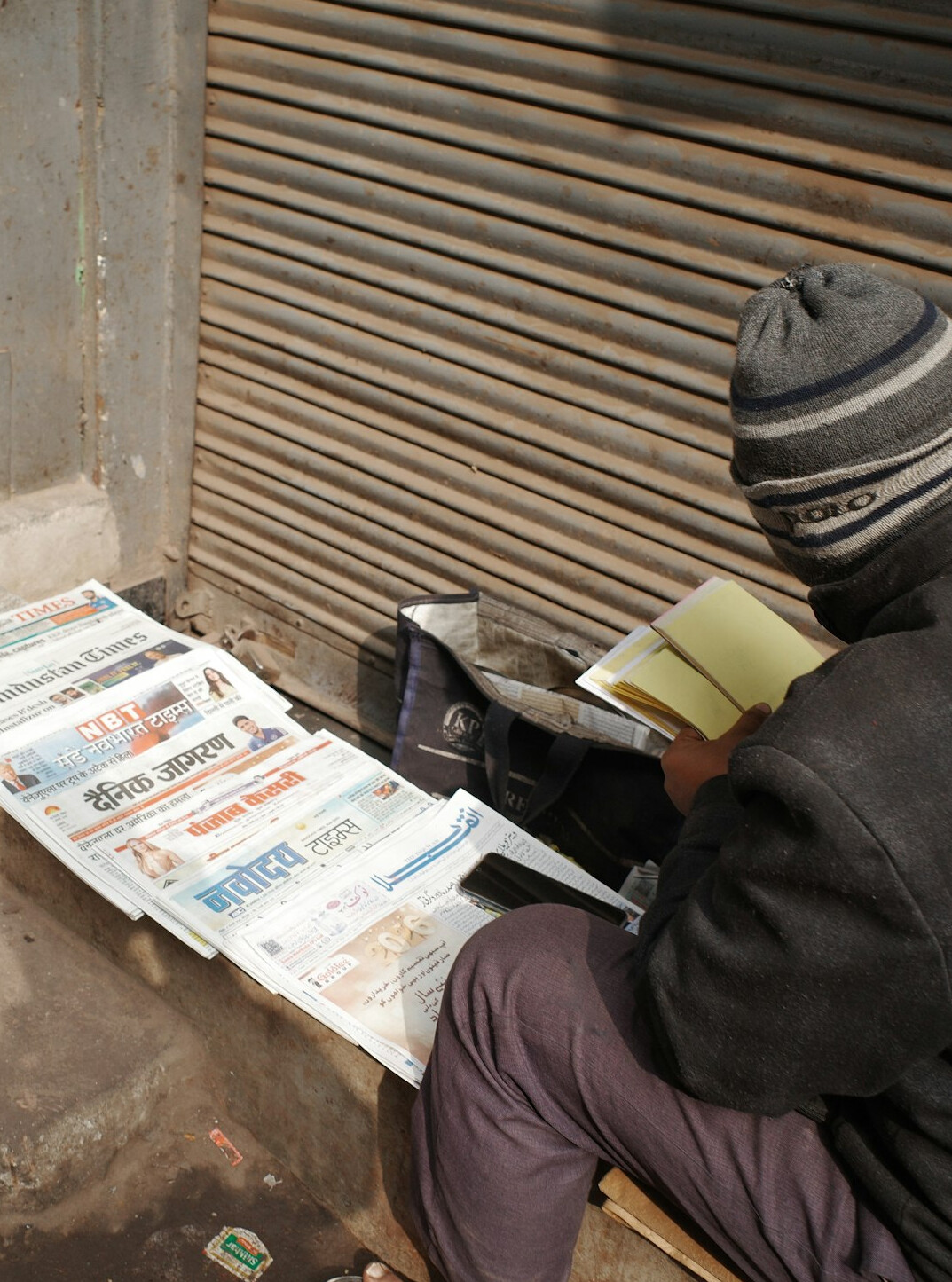
By the time the first real wave of commuters arrives, the quiet has already slipped away. The streets fill with voices and footsteps, the light becomes harsher, and the city wakes fully. Yet those earlier moments linger in the photographs, reminders of how much happens before most of us even open our eyes.