
August 12, 2026 · By Alex Rivera
Photographs That Freeze Daily City Chaos
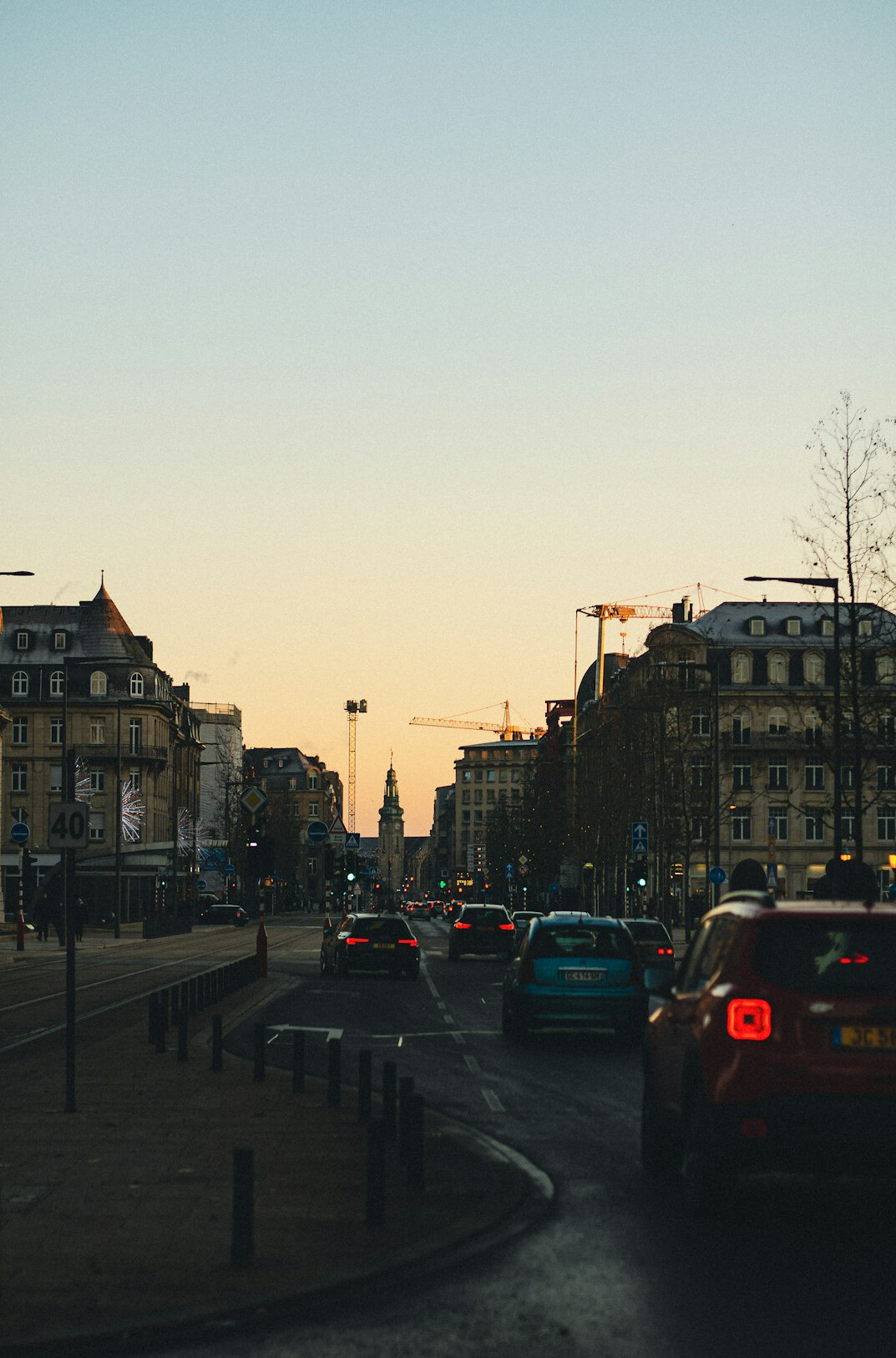
Walking through the streets at dawn, you notice how the city wakes up in layers. Commuters rush toward subway entrances while delivery trucks block lanes, and street vendors set up their carts under the first light. A good photograph can stop all that motion in one frame, turning the blur into something you can study for minutes.
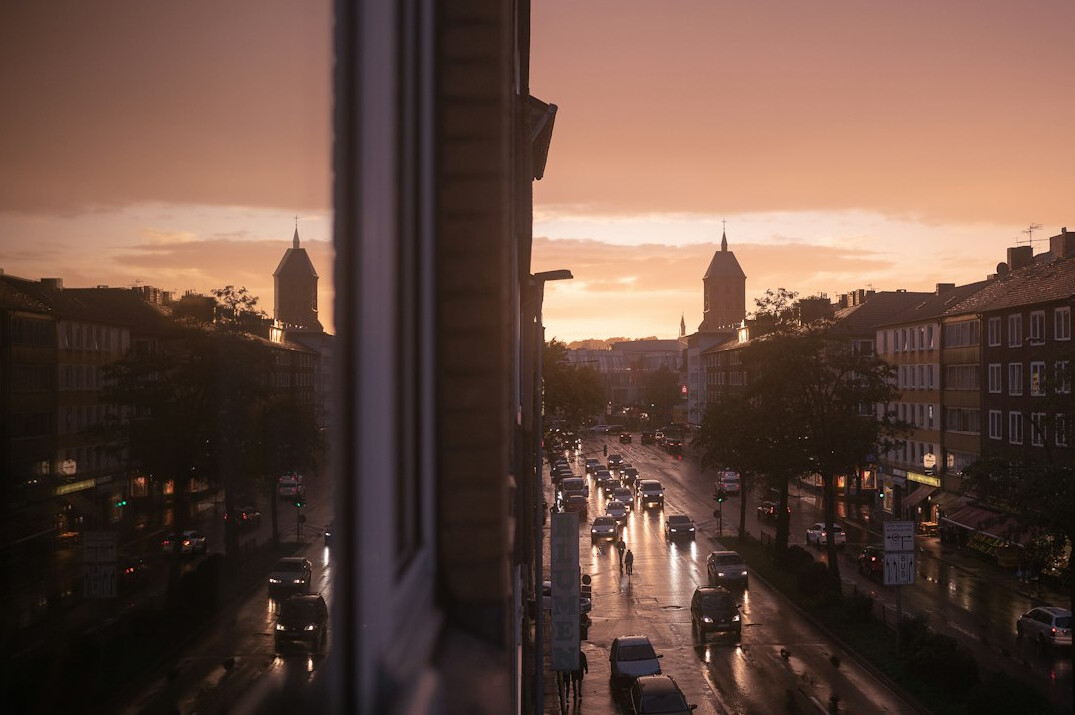
One image that stays with me shows a woman in a bright red coat paused at a crosswalk. Around her, cyclists weave between cars, a construction worker carries a ladder overhead, and steam rises from a manhole. The photographer caught her expression mid-thought, as if she is deciding whether to step forward or turn back. That single second holds the tension every city dweller feels each morning.
Ordinary Moments Turned Extraordinary
Daily routines rarely feel special until you see them frozen. A man balancing two coffee cups while checking his phone, a child pressing their face against a bus window, an elderly couple sharing an umbrella on a rainy sidewalk. These scenes repeat thousands of times a day, yet the right angle and timing make them feel unique. Photographers who work in cities learn to wait for those small collisions of light and movement that reveal character.
Another favorite shot captures a lunch rush outside a food truck. People stand in uneven lines, some scrolling, others chatting. Steam from the grill mixes with exhaust from passing buses. The photo shows how food becomes part of the urban rhythm, tying strangers together for a few minutes before they scatter again.
Changing Urban Environments
Cities never stay still. Old buildings get wrapped in scaffolding, new towers rise behind familiar storefronts, and parks get redesigned every few years. Photographs document these shifts without judgment. One series I saw recently followed the same intersection over six months. In the first frame, it was all cracked pavement and faded crosswalk lines. Later images showed fresh asphalt, new bike lanes, and planters filled with flowers. The people changed too, from hurried workers to families stopping to take pictures of the improvements.
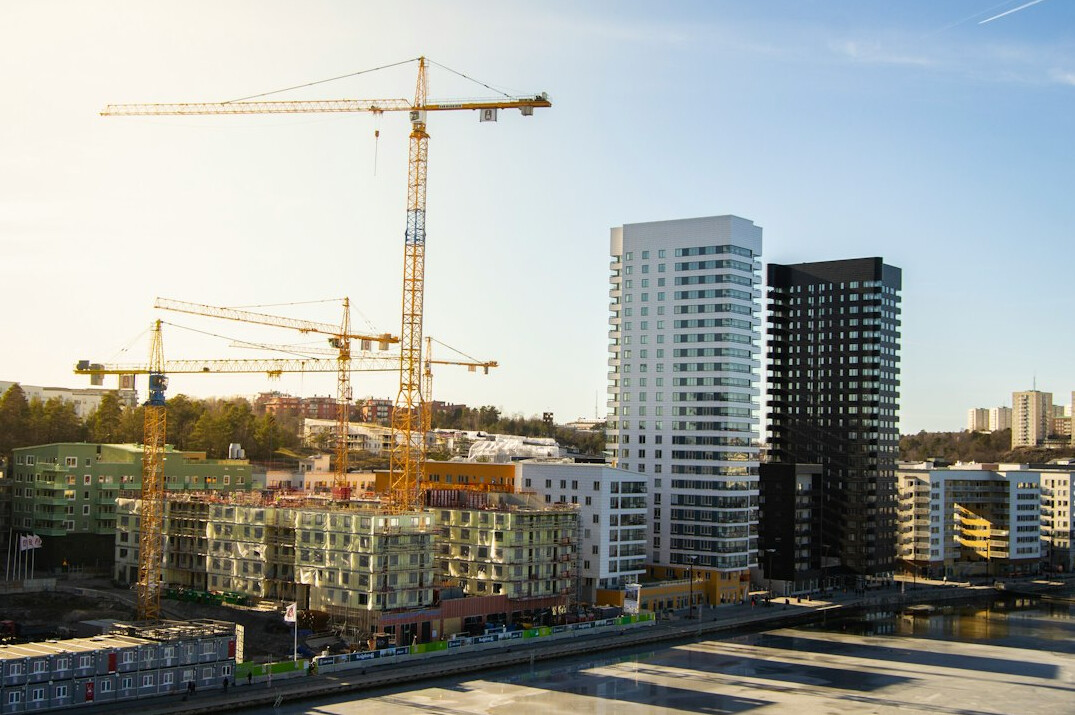
Such sequences remind us that chaos is often just the surface of progress. The noise and dust are temporary, yet they shape how residents experience their neighborhood day after day.
People at the Center
Portraits taken on the street carry a different weight than studio work. Subjects are caught mid-stride or mid-conversation, their surroundings telling as much as their faces. A vendor arranging fruit under neon signs, a musician tuning a guitar beside a subway grate, a student sketching on a bench while traffic flows behind. Each image invites you to imagine the rest of their day.
Lists of small observations help when reviewing these photos later. You might note the color of a jacket against gray concrete, the way shadows fall across a newspaper stand, or how reflections in puddles double the chaos above. These details turn a simple snapshot into a record worth keeping.
The best city photographs do not explain everything. They leave room for the viewer to fill in the sounds and smells that the image cannot contain.
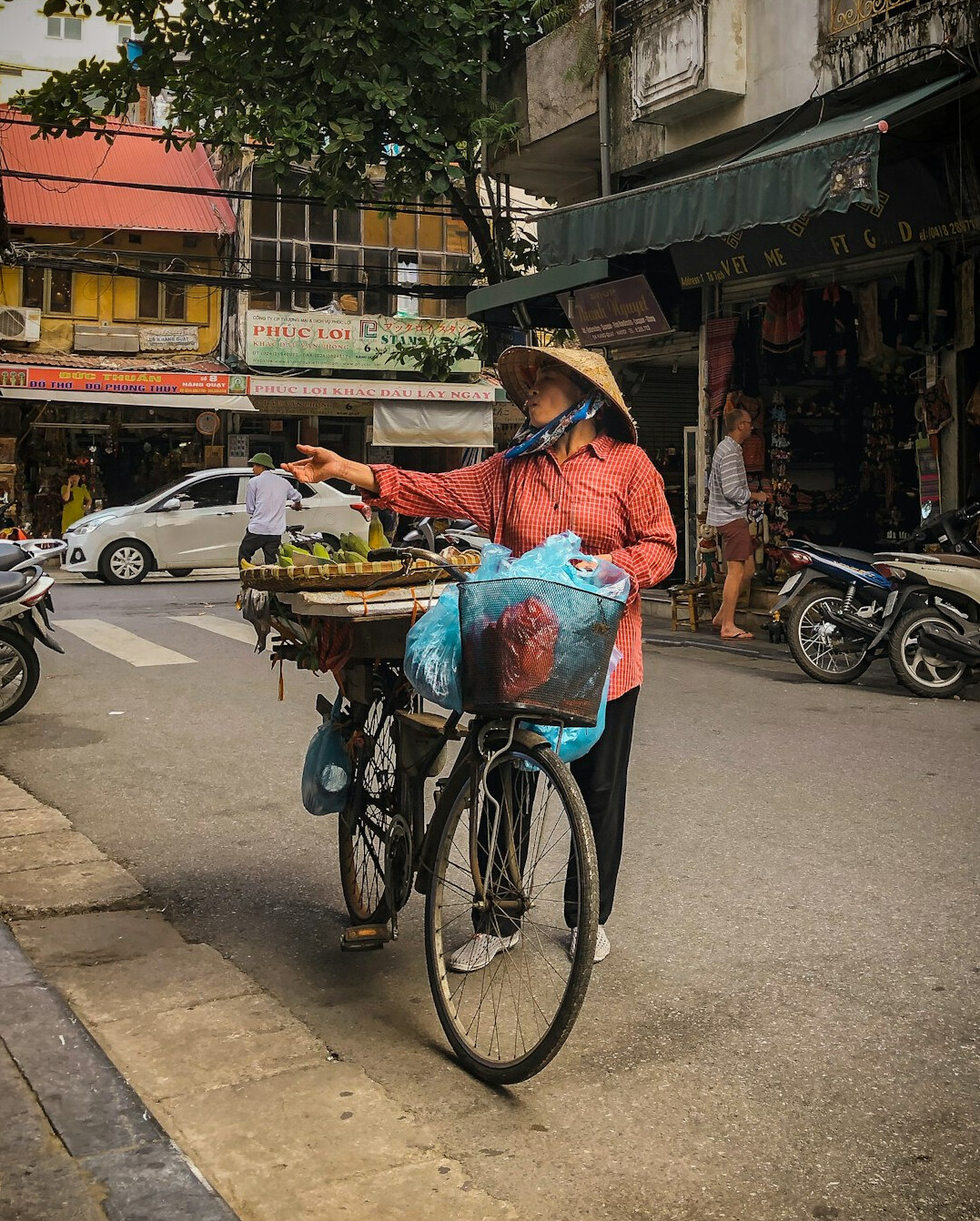
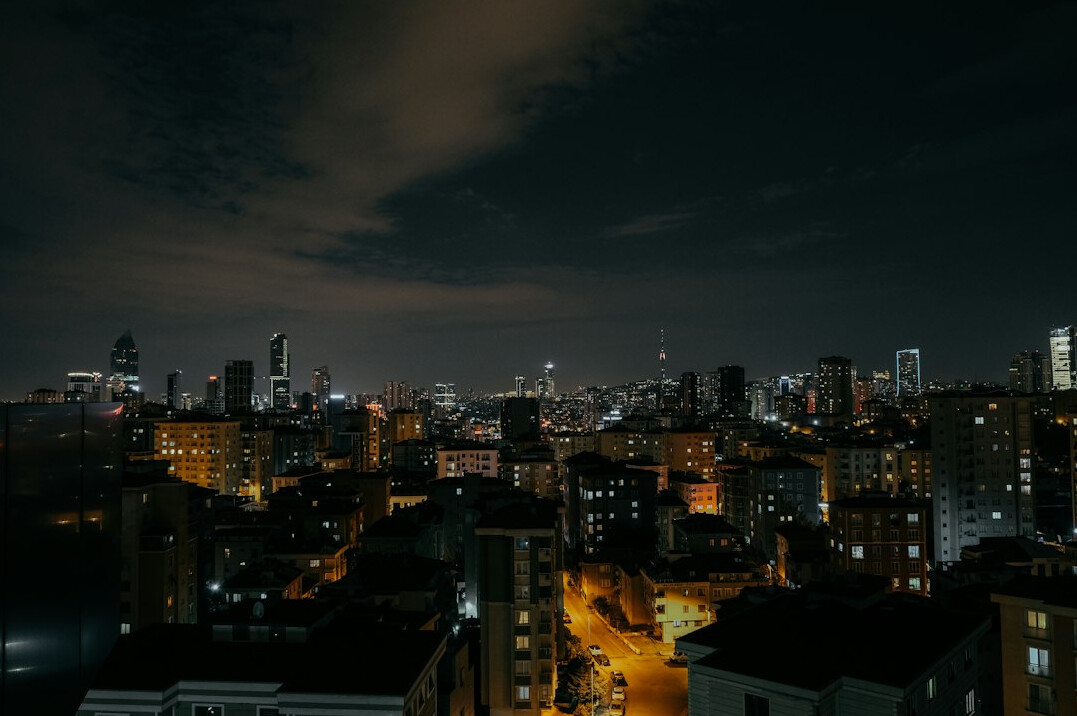
Evening brings its own patterns. Office lights flicker off one by one while restaurant windows glow warmer. Photographers often return to the same corners at different hours to show how the same pavement serves different crowds. The result is a quiet archive of how millions share space without ever meeting.
Why These Images Matter
Looking at such work encourages slower observation in real life. You start noticing the way a cyclist signals a turn or how a group of friends parts ways at a corner. Photography trains the eye to value the ordinary chaos that defines city living. Over time, these frozen moments become a shared memory of places that keep changing.
In the end, the photographs do not slow the city down. They simply prove that every rushed second contains its own quiet story if you know where to look.