
July 10, 2026 · By Emily Carter
How Our Streets Are Slowly Transforming.
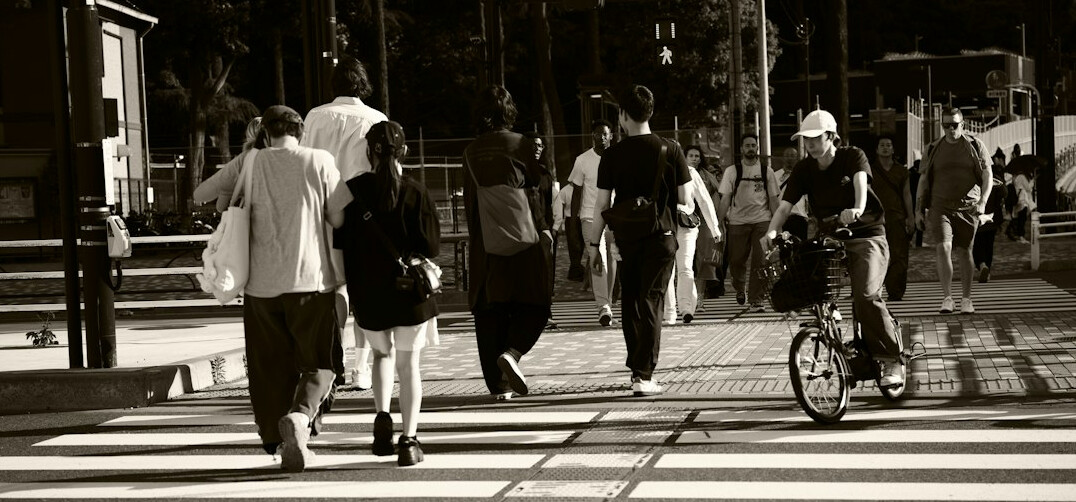
The city streets have always been a mirror to our daily lives, reflecting the quiet rhythms that define us. Lately, though, those same sidewalks and intersections seem to whisper of change, not in dramatic overhauls but in small, persistent ways that add up over time.
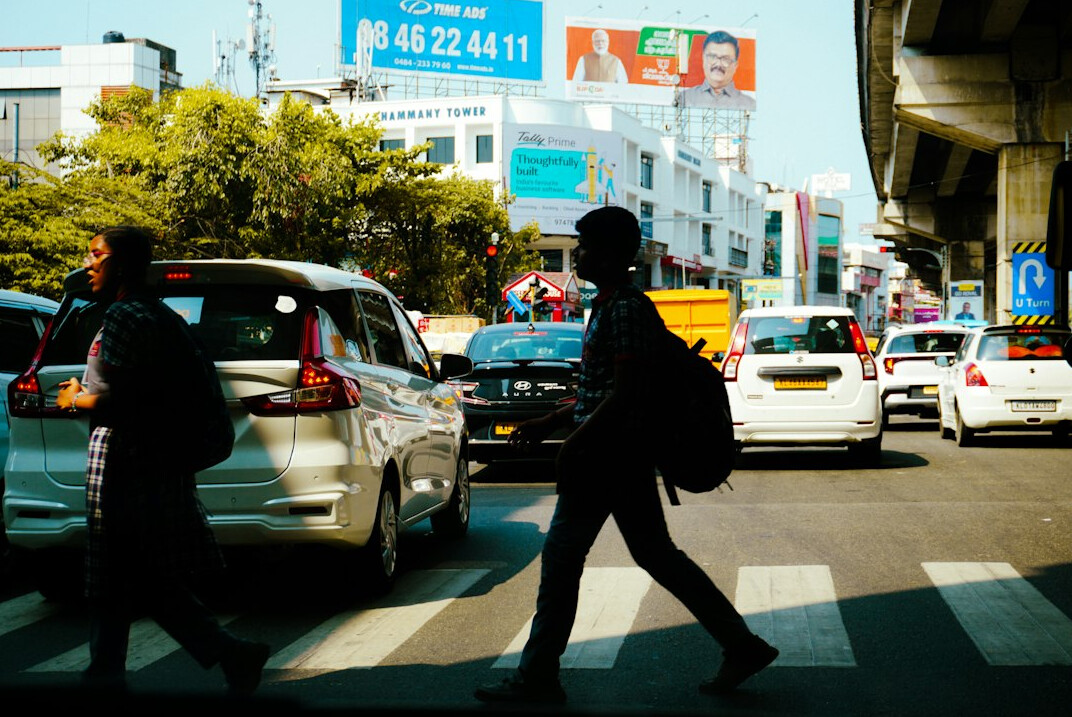
Take a typical morning commute. Where once cars dominated every lane, now dedicated bike paths carve through the asphalt, encouraging more folks to pedal instead of drive. It's a shift born from necessity and a growing awareness of our environment. Photographers capturing these moments often focus on the lone cyclist weaving past delivery vans, or the clusters of commuters pausing at new crosswalks designed with safety in mind.
Everyday Routines in Flux
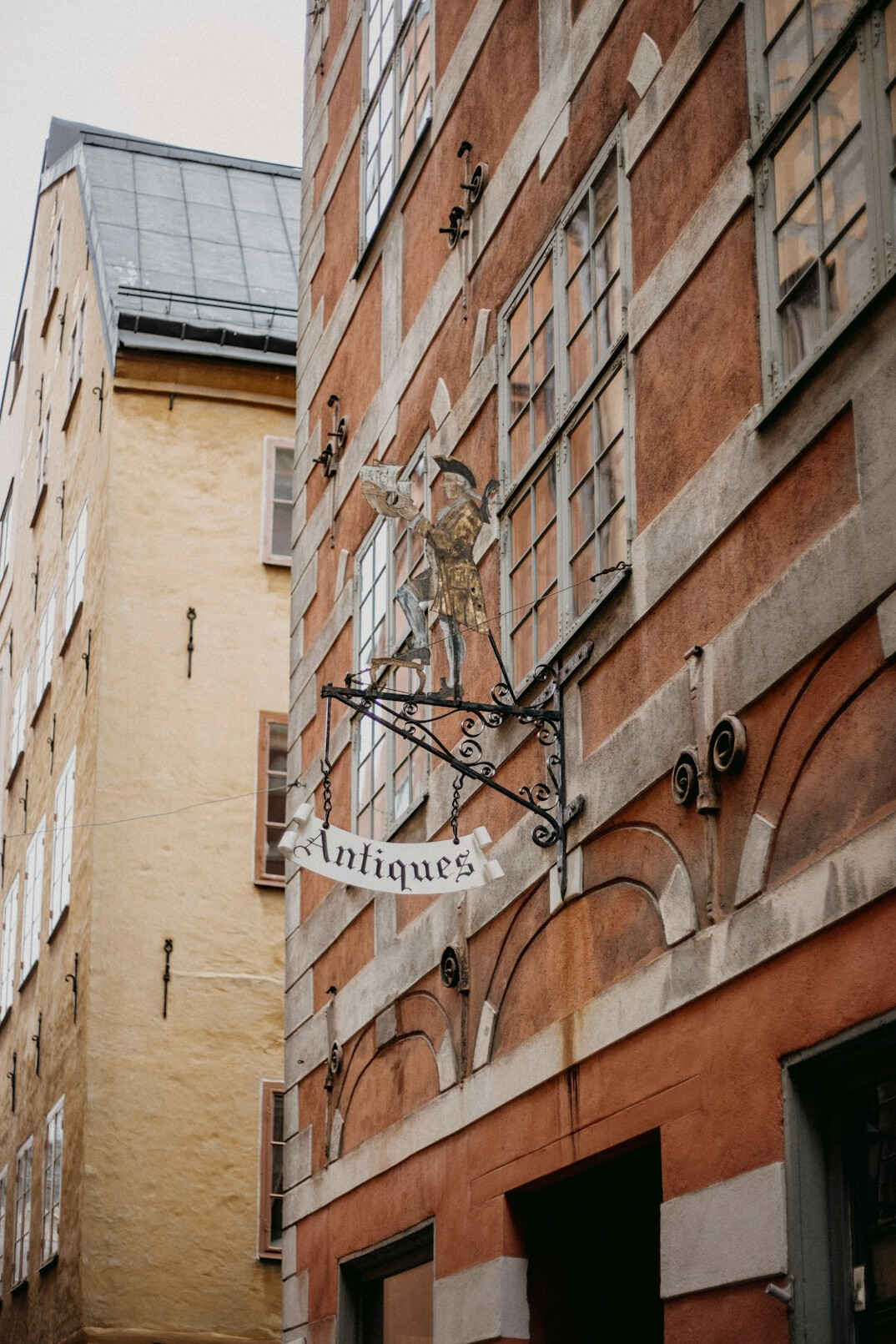
People's habits are evolving too. Street vendors who once sold only quick snacks now offer fresh produce from local farms, turning curbsides into mini markets. This isn't a flashy trend but a response to community needs, bringing fresh options closer to home. Images of these setups show vibrant displays of fruits and vegetables against the backdrop of aging brick buildings, highlighting how the old and new coexist.
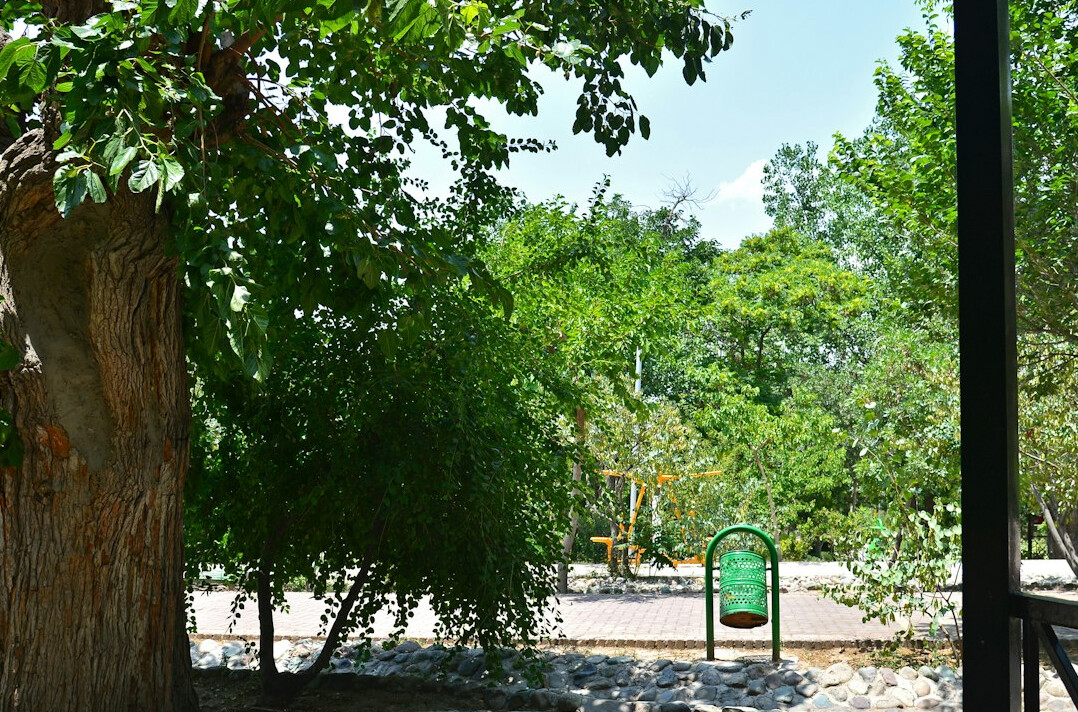
Green spaces are another quiet transformation. Pocket parks pop up in former parking spots, complete with benches and small trees that offer shade on hot days. Residents linger here during lunch breaks, reading or chatting, their presence softening the urban edge. A well-timed photo might capture a group of office workers enjoying the fresh air, their laughter echoing against the hum of distant traffic.
Changing Faces of the Neighborhood
Demographics play a role as well. Younger families are moving in, drawn by improved public transit and safer walkways. You see more strollers on the sidewalks and kids playing in designated areas free from heavy traffic. This influx brings a fresh energy, with community boards filling up with notices for local events and workshops.
Yet not everything is rosy. Some long-time residents feel the squeeze of rising costs tied to these improvements. Street art that once celebrated the neighborhood now sometimes masks construction sites for new developments. Photographers document these tensions through portraits of elderly neighbors watching the changes unfold, their expressions a mix of nostalgia and curiosity.
The streets teach us patience, showing that real progress happens one step at a time.
Technology weaves into the fabric too, with smart lights adjusting to foot traffic and apps guiding people to less crowded routes. But the human element remains central. Street performers still draw crowds with acoustic sets, their music providing a soundtrack to the daily hustle.
Looking Ahead Through the Lens
As seasons shift, so do the visuals of our streets. Autumn leaves gather in gutters newly cleared by improved drainage systems, while winter brings illuminated paths that make evening walks feel safer. Capturing these details reveals the layers of transformation, from infrastructure tweaks to social interactions.
Ultimately, these changes remind us that cities are living entities, adapting to the people who inhabit them. By paying attention to the ordinary moments, we see the bigger picture emerge, one photograph at a time.